White has always occupied a particular place in the aesthetics of Japanese ceramics. Where the iron-dark temmoku bowls of the Song Dynasty were prized for their drama and depth, the white porcelain tradition, hakuji, that developed alongside them in China and was later refined in Japan offered something different: clarity, openness, and a surface that gave the tea preparation centre stage rather than competing with it. The finest hakuji pieces were treasured by tea masters not despite their simplicity, but because of it. This matte white chawan belongs to that tradition of purposeful restraint.
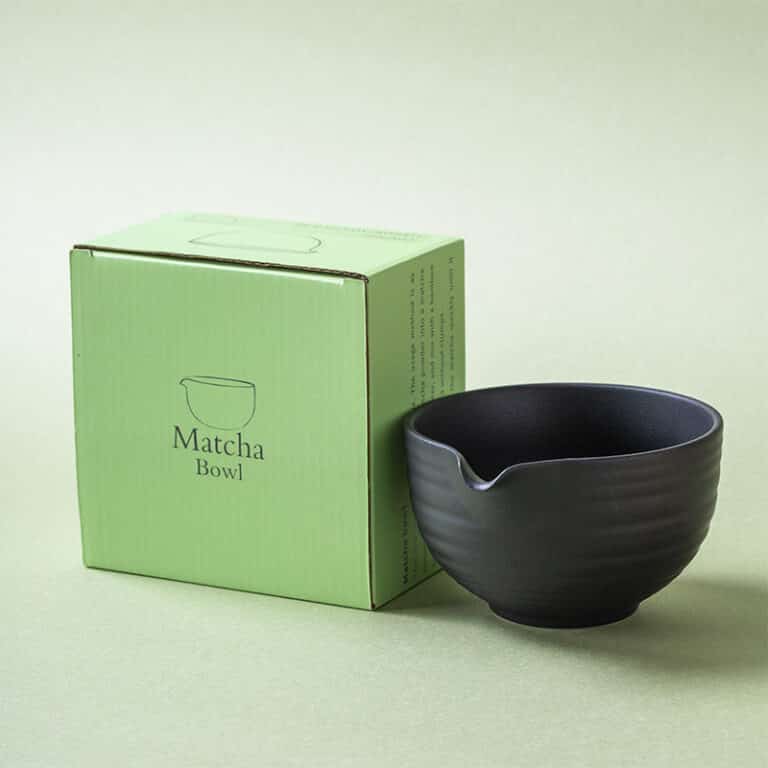
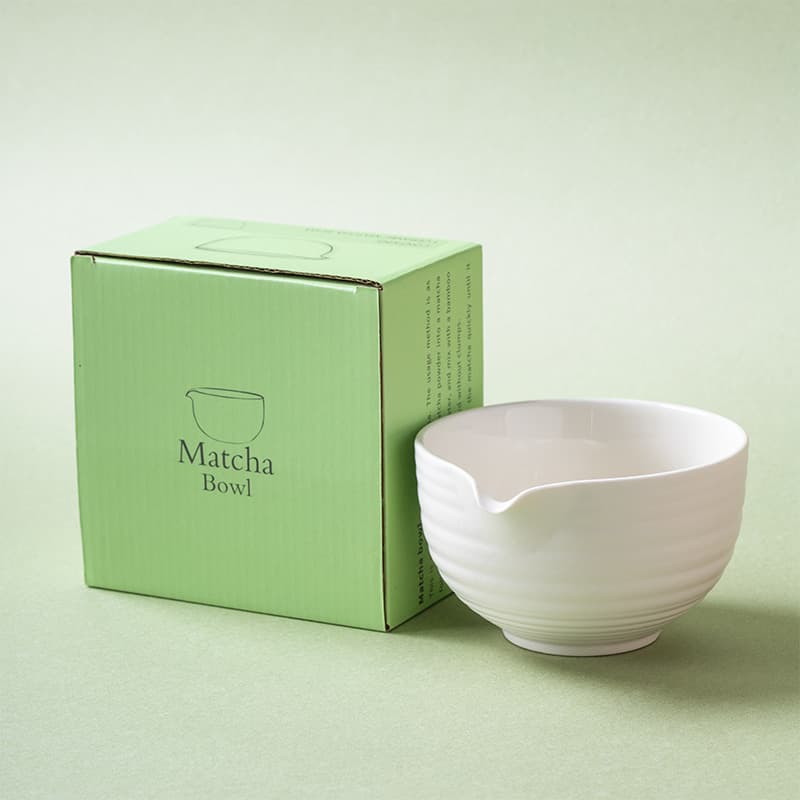
What sets this bowl apart from a plain white ceramic is what you can see and feel through the glaze: the throwing lines left by the potter’s hands on the wheel, spiralling gently around the body of the bowl. These fine horizontal ridges give the surface a quiet rhythm, visible as soft texture in raking light, felt beneath the fingers when the bowl is held with both hands as tradition suggests. In the Japanese ceramic aesthetic, particularly the wabi-cha philosophy of Sen no Rikyu, these marks of making are not imperfections to be smoothed away. They are evidence of process, and evidence of care.
The white interior and what it reveals:
The matte white interior does something functionally valuable: it lets you see your matcha clearly. The colour of ceremonial-grade matcha, from the pale jade of a lower-grade powder to the deep, vivid chartreuse of a high-quality tencha-ground tea, is one of the most reliable indicators of quality and freshness. A white bowl lets that colour speak fully, which is useful both for everyday preparation and for anyone building a practice around sourcing and comparing different matcha origins and grades.
It is also the most photogenic interior in the collection. The contrast between the white ground and the green of a freshly whisked usucha — particularly the fine awa (foam) that a good chasen raises, is clean, bold, and reads beautifully in natural light.
Form and function:
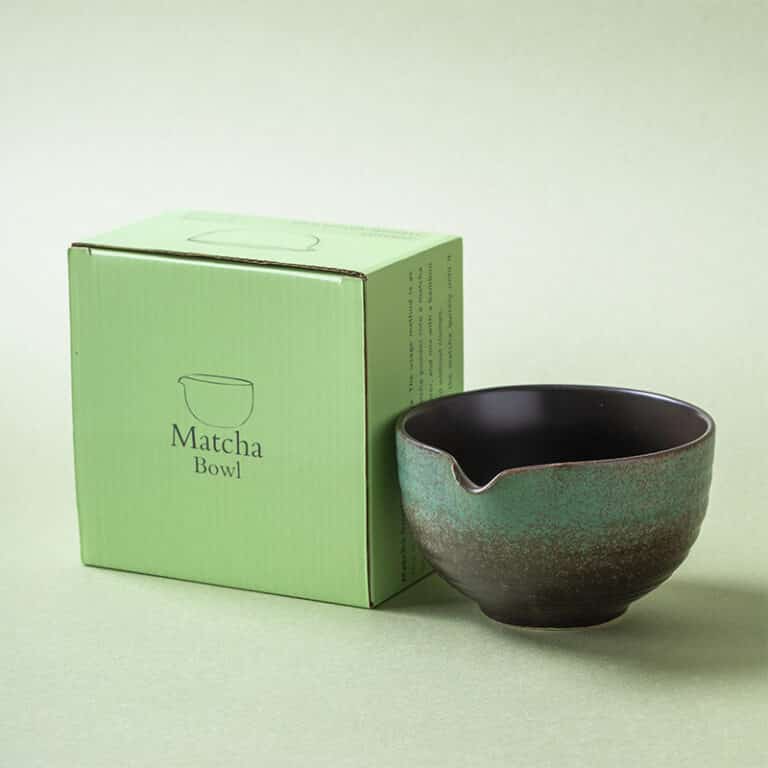
The bowl is wide-mouthed, giving the chasen full freedom of movement during whisking and allowing the foam to build evenly. The profile works for both usucha (thin matcha, briskly whisked) and koicha (thick matcha, blended more slowly). A small pouring spout is cut neatly into the rim. The kodai (foot ring) carries the natural irregularity of wheel-thrown work, in the Japanese ceramic tradition, a hand-finished foot is considered as expressive as any other part of the piece.
Using your chawan:
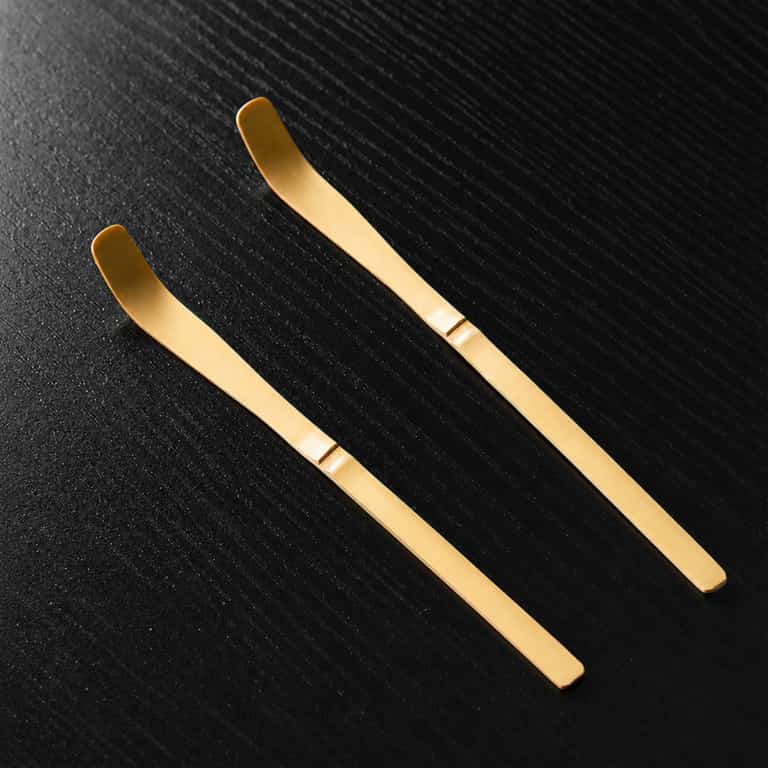
Warm the bowl first with a small pour of hot water, swirl, and discard, this brings the stoneware to temperature and prevents thermal shock to the clay body. Sift 1–2 chashaku scoops (approximately 1.5–2g) of ceremonial-grade matcha into the warmed bowl. Add 70–80ml of water at 75–80°C, below boiling, to protect the amino acids including L-theanine that give matcha its sustained, focused energy. Whisk in a brisk W or M motion with your chasen until a fine, even layer of foam covers the surface. The white interior makes it easy to see when the awa is properly formed. Drink directly from the bowl, turning it gently in both hands before the first sip.
Pairing and versatility:
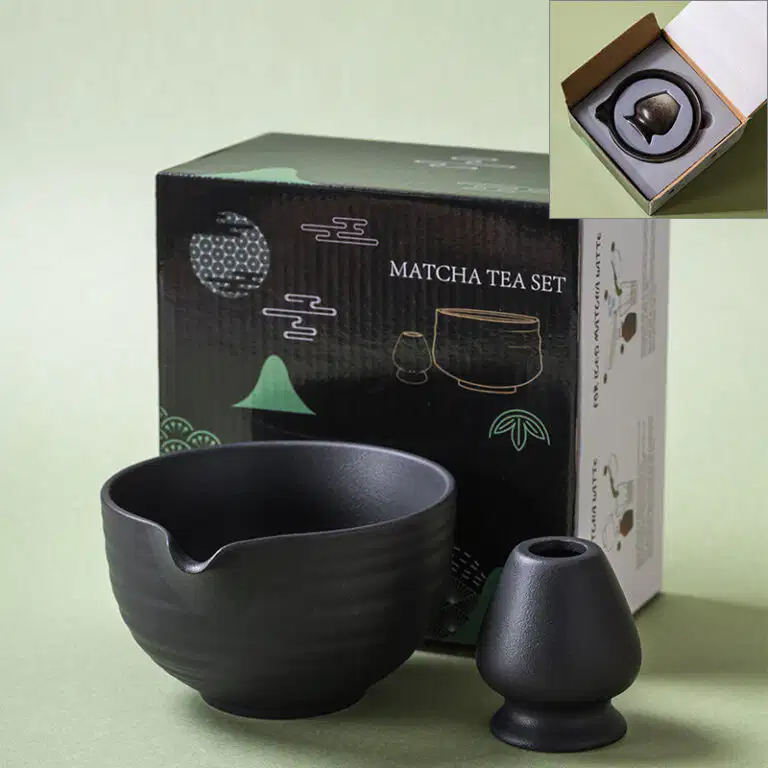
The matte white chawan is the most versatile piece in the collection. It pairs naturally with every chasen holder in the range, and sits comfortably in any aesthetic context, from Japandi and minimal Scandinavian to traditional Japanese. If you are building a matcha practice from a single starting point, or looking for a bowl that works alongside ceramics you already own, this is the natural choice.
It also makes a particularly considered gift: white ceramics travel well across tastes and interiors, and the gift box presentation means it is ready to give as it arrives.
Care:
Hand wash only. Not dishwasher or microwave safe. The interior may develop faint staining from matcha over time; a little bicarbonate of soda on a damp cloth will restore it. A soft brush and warm water will keep the exterior throwing lines clean.